
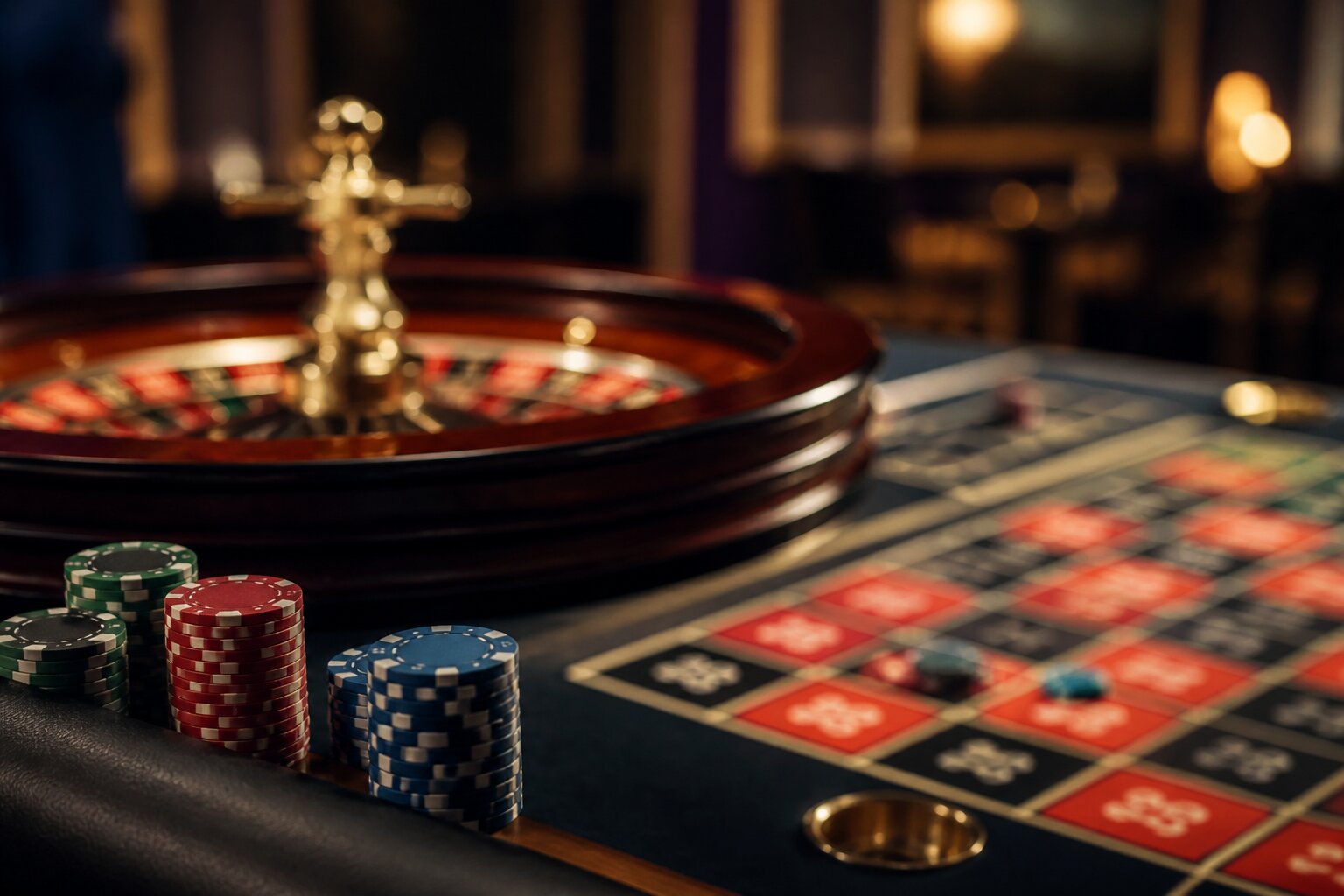
Ever sat at a roulette table, watching the wheel spin, and wondered if there’s a pattern to picking a number? You’re not alone—many players try to find a personal method or a memorable number that makes the game more engaging.
Roulette is governed by randomness, so no number has an inherent advantage. Still, some numbers attract attention for cultural or personal reasons, and learning which ones are talked about most can make the experience more interesting. Read on to discover the favourites, the maths behind the wheel, and what really matters when choosing numbers.
What Makes Certain Numbers Stand Out on a Roulette Table?
Certain numbers draw attention for reasons beyond the mechanics of the game. Players often choose digits with personal significance, such as birthdays or anniversaries, because picking a meaningful number gives the spin more emotional weight. Other selections come from cultural traditions: in some places, specific numbers have positive associations while others are avoided.
There are also table-side habits that shape choices. For example, 17 is frequently bet on because of its central position on the layout and a long-standing reputation among players. These choices shape the social atmosphere at a table and add an extra layer of storytelling to each round rather than changing the probability of any outcome.
Are There Numbers That Hit Most Often in Roulette?
On a properly maintained wheel, every spin is independent and every number has the same probability of landing. Past results do not influence future ones, so no number is statistically more likely to appear over time. Tales of “hot” or “cold” numbers belong to the game’s folklore rather than to any change in the odds.
Over many spins the observed frequency of each number will tend to move closer to its expected probability, but in the short term significant variation can and does occur. This natural randomness is why some numbers may seem to appear more often in a session even though there is no underlying change in chance.
Many players still enjoy keeping records or following patterns for non-mathematical reasons. Common motivations include:
- satisfying curiosity about short-term streaks,
- structuring a personal betting routine or strategy,
- enjoying the social or ritual aspects of play.
None of these activities change the underlying mathematics of roulette. If a wheel were not properly maintained and developed a mechanical bias, that would be a different issue, but on regulated, well-maintained equipment every number remains equally likely.
Understanding Roulette Wheel Layout & Number Distribution
The wheel’s layout is carefully arranged to avoid clustering similar numbers or colours together. On a European wheel there are 37 slots (1–36 and a single zero). The American wheel adds a double zero, making 38 slots in total. This distribution spreads high and low numbers, reds and blacks, and odd and even numbers around the wheel so results remain balanced.
The layout is the reason players sometimes notice seemingly random groupings on the table; what looks like pattern is usually intentional design meant to distribute outcomes evenly. Whether a game uses a single or double zero affects the overall odds, but not the fairness of individual numbers.
Single Zero vs Double Zero Roulette: Does It Affect The Best Numbers?
The presence of one or two zero pockets changes the house edge, not the chance of any specific number. European-style roulette, with a single zero, gives players a slightly smaller house advantage compared with the American double-zero wheel. In practice that means the expected return on bets is slightly higher on a single-zero wheel.
To be precise:
- On a single-zero wheel there are 37 pockets, so the probability of any single number is 1/37.
- On a double-zero wheel there are 38 pockets, so the probability of any single number is 1/38.
These figures show why the single-zero wheel offers the lower house edge: the zero pocket(s) are what give the casino its edge, and having one rather than two reduces that edge. That difference influences which version a player might prefer, but it does not make particular numbers more likely to appear.
Choosing between wheels is a matter of overall odds and personal preference rather than a way to target specific numbers. All numbers remain randomly determined on each spin, and past results do not change the probability of future outcomes. Play responsibly and be aware that no strategy can overcome the house edge.
Is There a Scientific Basis for Picking Certain Roulette Numbers?
No scientific evidence supports the idea that selecting one number over another improves long-term results. Randomness governs each spin, and individual outcomes are independent: the result of one spin does not influence the next. While people often look for patterns, these are usually the natural clustering you expect from random sequences.
Mechanical defects on poorly maintained wheels can skew outcomes, but professionally managed casino equipment is regularly checked to keep play fair. Where bias has been found in the past, investigations have typically identified practical causes such as:
- wear or damage to the wheel components
- incorrect installation or alignment
- poor maintenance practices or infrequent inspections
Research into roulette tends to confirm that, under normal conditions, outcomes follow the expected probabilities and the house edge remains constant. Players who are curious about patterns can examine historical data for interest, but should treat such analysis as descriptive rather than predictive. Using past spins to forecast future spins is a logical error known as the gambler's fallacy.
If you want to explore the game from a scientific perspective, do so for curiosity and learning rather than as a strategy for guaranteed winnings. Always remember that gambling involves risk and should be approached responsibly.
Myth-Busting: Do Hot or Cold Numbers Really Make a Difference?
The terms “hot” and “cold” describe recent frequencies, but they do not change the probabilities of future spins. Each spin is independent, so a number that has appeared many times in a short period is no more or less likely to appear next than any other number.
People choose hot or cold numbers for different reasons. Common motivations include:
- following the crowd or using a social tactic,
- keeping the game more exciting by tracking patterns,
- hoping for a reversal when a number has not appeared for a while,
- responding to superstition or personal rituals.
These are behavioural choices rather than strategies that alter the chance of winning. The belief that past results influence future independent events is known as the gambler’s fallacy.
In regulated settings, roulette outcomes come from either a physical wheel subject to strict maintenance and inspection or a certified random number generator. Mechanical bias can occur but is rare; licensed operators must regularly test equipment to ensure fairness and transparency.
Always remember to gamble responsibly. Set limits on time and money, and seek help if gambling stops being a form of entertainment.
How Do Players in the UK Choose Their Favourite Roulette Numbers?
Choice often reflects a player’s background and interests. In the UK, numbers such as 7 and 17 are commonly picked because of cultural associations and long-standing table traditions. Many players also choose dates or numbers linked to sports and family events.
Some players spread their bets across several numbers to increase the variety of outcomes they might see during a session. Others stick to a single number that has personal meaning, treating the selection as part of the entertainment rather than a strategy to beat the odds.
These preferences help shape the table’s atmosphere and the social rituals around play. The way people select numbers contributes to the shared experience at the table and can become a talking point among friends and fellow players.
Popular Choices Among British Players
British players frequently gravitate towards several types of favourite numbers:
- Numbers with historic or cultural resonance, such as 7 or 17.
- Personal ties, for example birthdays, anniversaries or numbers associated with favourite sports figures.
- Mixed approaches that combine inside bets and outside bets to create different payoff profiles, balancing the chance of occasional larger wins with the likelihood of more frequent smaller returns.
House Edge and Its Impact on Roulette Number Selection
The house edge is the casino’s built-in advantage and comes from the zero pockets that are neither red nor black nor part of the other even-money categories. This edge applies to every bet type and every number; it is not tied to particular digits. Over many spins, the house edge determines the expected return, so the long-term odds favour the house regardless of which numbers are chosen.
Understanding the house edge helps explain why no betting pattern can overcome the game’s mathematical structure. Players who know the edge can make informed choices about wager size and session length to keep play aligned with their goals.
What Are the Risks of Betting on Popular Roulette Numbers?
Selecting popular numbers doesn’t increase the chance of winning, but it can influence behaviour. Players might bet larger sums on a favourite number following a streak of losses or feel disappointed if a commonly chosen number doesn’t appear for a while. Such reactions can lead to chasing outcomes and spending more than intended.
It’s sensible to set limits and plan how much one is willing to stake before starting a session. If gambling stops being enjoyable or a player becomes concerned about their habits, there are support services and tools that can help manage play and provide advice.
Final Thoughts: Choosing the Best Numbers for Your Roulette Experience
Every roulette spin is governed by chance, and each number has the same likelihood of appearing on a fair wheel. Picking numbers with personal meaning, following table traditions, or trying different betting mixes are all valid ways to make the game more engaging, but none change the mathematical odds.
If you enjoy roulette, treat it as a form of entertainment and choose numbers that make the experience pleasant for you. Keep wagers within a planned budget, be aware of the house edge, and seek help if play ever feels out of control. Enjoy the game, and may your sessions be interesting and well paced.
**The information provided in this blog is intended for educational purposes and should not be construed as betting advice or a guarantee of success. Always gamble responsibly.