
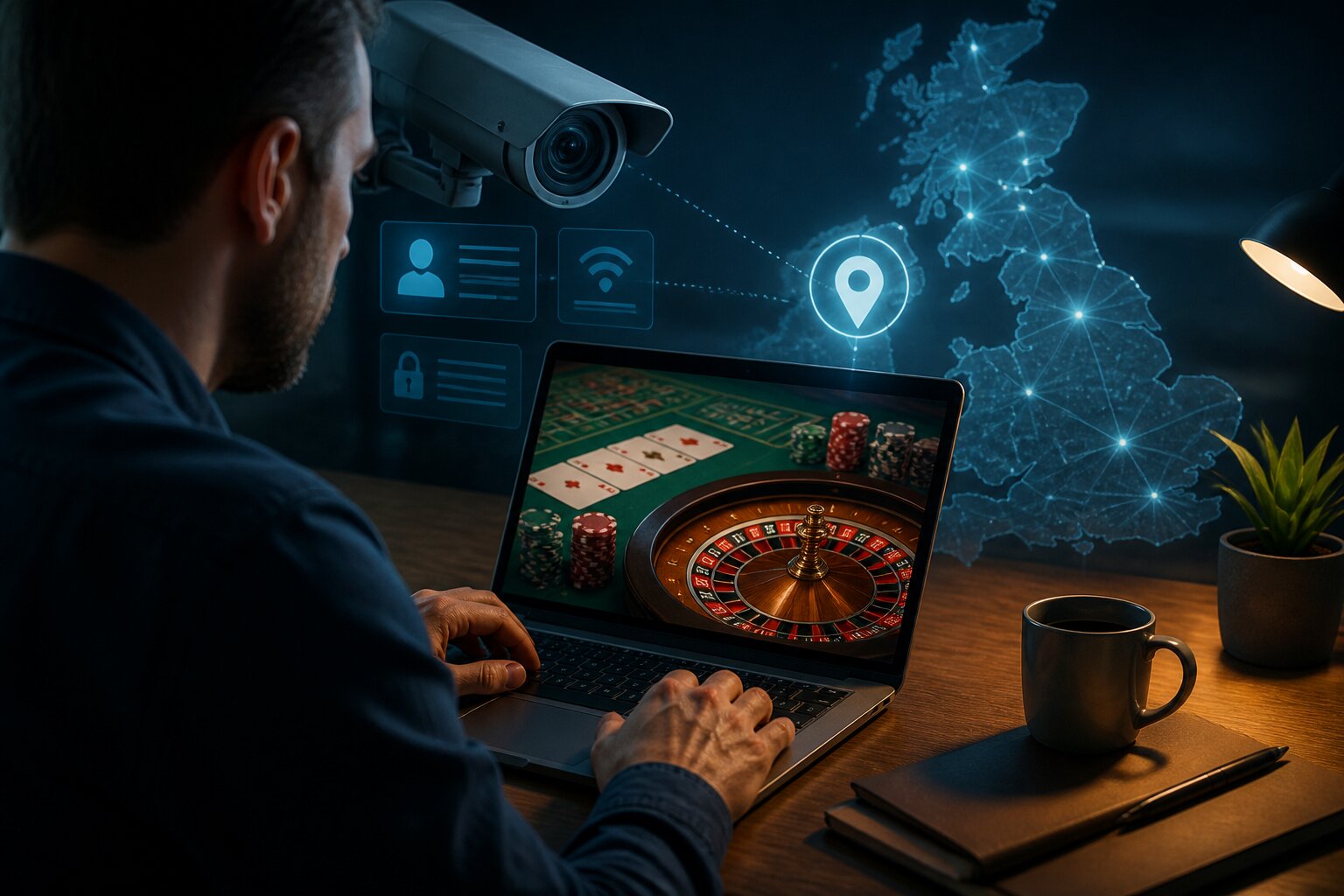
Ever wondered how an online casino knows if you’ve opened more than one account, or why you sometimes see different offers from someone who lives nearby? The answer often starts with your IP address. Each time you log in, the location and device details linked to that session can reveal more than you might expect.
Casinos collect this information as part of their duty to prevent fraud and follow regulation. That means they record technical details about your connection to check you are entitled to play and to protect the integrity of the site.
This article explains how IP tracking works, what data is gathered, the legal framework that controls it, and what you can do to manage your privacy. Read on to see how those signals are used and what they mean for you.
Understanding IP Tracking in Online Casinos
IP tracking records the Internet Protocol address assigned to your device whenever you access a casino site. An IP address functions like a session label, showing where a connection originates and helping systems make sensible decisions about access and security.
When you log in, the casino’s systems note the IP and compare it with the details on file. This helps confirm you are playing from permitted locations and makes it harder for accounts to be abused from abroad or by underage users. It also supports fraud detection, because patterns such as many accounts linked to the same IP can indicate suspicious activity.
IP tracking is one of several data points combined to make reliability checks more accurate. Later sections describe the other types of information gathered and how they are used to build a fuller picture of account behaviour, so you can see how these checks fit together.
Why Do Online Casinos Track Your IP Address?
Casinos track IP addresses to meet legal obligations and protect players and the business. Checking location and connection patterns allows operators to block access where gambling is restricted, to identify possible promotions promotions and to reduce the risk of unauthorised account access.
Monitoring also supports security measures for account safety. If a number of failed logins or unexplained account changes come from the same IP, this prompts review and protective action. In cases where multiple accounts are created from one address, operators will investigate to preserve the fairness of promotions and ensure one person is not bypassing account rules.
These surveillance measures are part of a wider compliance toolkit. The next section lists the typical data points collected alongside IP addresses, showing how the pieces fit together to give a clearer, more reliable picture.
The Types of Data Online Casinos Collect
Online casinos gather a range of technical and transactional data to meet regulatory requirements and keep accounts secure. This collection is focused on legitimate verification and oversight rather than profiling for unrelated purposes.
Typical data collected includes:
IP address: Shows the originating connection and helps confirm geographic eligibility.
Device type: Identifies whether sessions come from a phone, tablet or computer and can flag reused devices.
Browser details: Includes browser type and version for security and troubleshooting.
Operating system: Points to platform information that can be relevant if unusual activity is suspected.
Session times: Records of log-in and log-out help highlight patterns that could indicate problematic behaviour.
Geographical location: City or region inferred from IP to check compliance with permitted areas.
Device identifiers: Cookies or unique device IDs that help confirm whether one device is associated with multiple accounts.
Collecting this information supports anti-fraud and verification processes while enabling operators to meet their legal responsibilities. The following section explains how location is actually determined from these technical signals.
How Is Player Location Determined?
Location checks start with the IP address and are refined using additional tools as needed. Geolocation services map an IP to a likely city or region, which is usually sufficient for routine checks such as confirming play from within permitted areas.
If the IP does not give a clear result or if financial actions like withdrawals trigger extra scrutiny, operators may request supplementary evidence. This could be recent proof of address or, where available and permitted by the user, device location services that offer greater precision.
These layered checks ensure locations are confirmed accurately without relying on a single source. That reduces the chance of false positives and helps operators take measured action when a location mismatch matters for compliance or account security. The legal obligations behind this approach are covered next, showing why such precision is required.
Legal & Compliance Aspects of Data Monitoring
Data monitoring by casinos is governed by a combination of gambling regulation and data protection law. Operators must process information lawfully, keep it secure, and be transparent about why it is collected and how long it is retained.
Under data protection rules, players are informed about what data is collected and the purposes for processing. Access to personal data is limited to staff who need it for compliance, security checks, payment processing or to respond to disputes. Records such as log-in times, IP addresses and transaction activity create an audit trail that helps resolve queries fairly.
Regulatory duties also require operators to detect and prevent criminal activity, verify player eligibility, and support safe play. Monitoring for these purposes is proportionate when it is focused on protection and legal compliance rather than broader surveillance.
The legal framework is designed to balance player privacy with the need to keep gambling markets secure and transparent. The next section explains the rights players have under data protection law and practical steps to protect personal information.
Your Privacy Rights & How to Protect Them
Players have clear rights over their personal data. These include the right to request access to information held about them and, in some circumstances, to ask for corrections or deletion. Requests for a copy of personal data are usually fulfilled within a statutory timescale.
Operators are required to keep data secure and to limit retention to what is necessary for legal and operational reasons. Where deletion is requested, it will be subject to any retention requirements that arise from regulatory obligations or legitimate business needs.
To maintain control over personal information, use strong, unique passwords and enable any available account security features. Regularly review account statements and activity records, and contact customer services if anything appears unfamiliar. Practical account safeguards help protect both privacy and funds, while the systems described earlier help operators spot issues that need follow-up.
Common Myths About IP Tracking
There are several misconceptions around IP tracking. Clearing these up helps set realistic expectations about what the technology can and cannot do.
Does IP Tracking Breach Player Anonymity?
IP tracking does not automatically reveal personal identity. It indicates where a connection originates and, when combined with account data, supports verification. Operators use these signals to meet compliance and security needs, not to expose private personal details.
Can You Avoid Detection with a VPN?
Using a virtual private network is not an effective way to evade detection. Systems are designed to identify VPN or proxy traffic, and trying to obscure a location can lead to account holds or blocked transactions. Operators need reliable confirmation of a player’s location for legal reasons, so attempts to bypass those checks usually create more problems than they solve.
Understanding what IP tracking can and cannot do helps set sensible expectations about privacy and account security. With that clarity, the systems in place can be seen as practical tools that support lawful play while protecting everyone involved.
IP tracking is one part of a broader approach to security and compliance that combines technical signals, documentation and legal safeguards to make online play transparent and safe.
Play Online Casino Games at Slots UK
We welcome you to enjoy playing casino games with us, all at your own pace. There is always space for you to explore and take in the entertainment as you wish.
It is easy to get started with our site: just create an account, make a deposit and you can begin playing whenever you like. We look forward to seeing you take part in the fun.
**The information provided in this blog is intended for educational purposes and should not be construed as betting advice or a guarantee of success. Always gamble responsibly.