
Wondering if there’s a perfect time to cash out when you’re playing a slot machine? You’re not alone. Whether you’re winning, breaking even, or aiming for a bigger prize, knowing when to stop can sometimes feel unclear.
With so much advice online, it’s easy to get mixed messages or make hurried decisions. If you want to play more thoughtfully, manage your budget, and keep enjoyment at the forefront, this article will give clear, practical guidance on cashing out and what actually matters when you play.
Read on for straightforward explanations, useful examples and sensible tips to help you make confident choices at the slot machine.
Why Do Gamblers Consider Cashing Out on Slot Machines?
Players choose to cash out for several sensible reasons. Locking in winnings before the session continues is a common motive: many prefer leaving with more than they started rather than watching a balance shrink. Others use cashing out as part of strict money management — for example, stepping away once they hit a pre-set win or loss threshold.
Cashing out can also provide peace of mind in a busy casino environment. Taking your balance off the machine or into your account removes uncertainty about where your money is and lets you review the session calmly.
Finally, some people use cashing out to enforce self-discipline. When a clear plan is in place — budget, target, and stop point — it becomes easier to avoid impulsive decisions and keep gameplay enjoyable.
If you’re wondering how that process works in practice, the next section explains common cash-out methods in both land-based and online settings.
How Does Cashing Out Work on Modern Slot Machines?
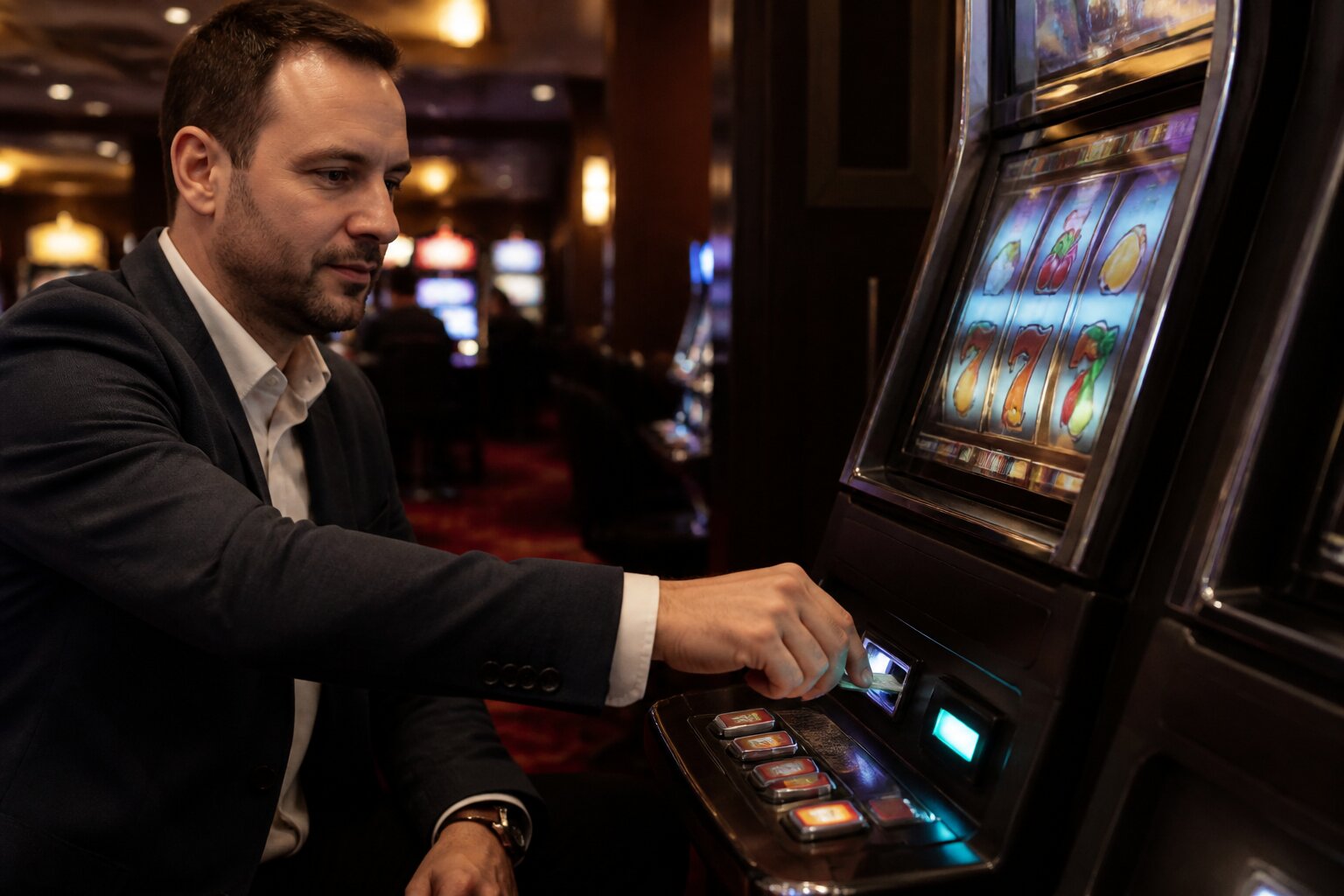
Cashing out is straightforward whether you are at a physical slot or playing online. In a venue, most machines offer a button that issues a printed ticket or returns coins and notes. That ticket can then be exchanged at a cashier or redemption kiosk for the balance shown.
Online, cashing out happens through the site’s cashier or banking area. You select withdraw, choose an amount and a payment method, and the operator processes the transaction according to its payout times and verification policies.
Importantly, using the cash out option does not change how the game operates. Machines and online slots rely on regulated random number generation to determine each spin independently. Cashing out only alters your immediate balance and your session, not future outcomes.
Now that you know the mechanics, you might wonder whether there’s any ideal moment to stop playing. The next section addresses that common question.
Is There an Ideal Time to Cash Out on Slots?
There is no single ideal moment that applies to every player. Because each spin is determined independently, no pattern or timing reliably improves long-term results. Trying to find a perfect moment based on previous outcomes usually leads to frustration.
Instead, consider personal objectives. Reaching a predetermined winning target or hitting a loss limit are practical signals to cash out. Other cues might include feeling fatigued, distracted, or no longer enjoying the session — each of which can affect decision-making.
Think of cashing out as a tool for sticking to a plan rather than a method to influence the game. When you base the decision on clear goals and self-awareness, it helps preserve your bankroll and the quality of your experience.
Does Cashing Out Affect Your Winning Chances?
Cashing out does not affect the odds of future spins. Each result is produced independently by a regulated random number generator, so previous actions or outcomes do not change the probabilities of what comes next.
That means staying on a machine will not increase the chance of a future payout, and stopping play will not cause a machine to withhold anything. Whether you cash out or continue, the statistical properties of the game remain the same.
If avoiding misconceptions about the game's mechanics is important to you, focus on managing stakes and session length; those are the decisions that actually influence your financial exposure.
Do Slot Machines Track Players Who Cash Out Frequently?
Machines and game software do not adjust payouts because of how often an individual cashes out. There is no in-game mechanism that rewards or penalises frequent cashing out by changing the outcomes of spins. The outcome of each spin is determined independently by a certified random number generator and is not influenced by previous cash-outs.
Operators do, however, collect standard activity data for legitimate business and regulatory reasons. This information helps them manage accounts, meet legal obligations and keep play secure. Typical uses include:
- account management and customer service
- regulatory compliance and reporting
- fraud detection and security monitoring
Personal information and play history are handled under applicable privacy laws and the operator’s own policies. Operators must store and process that data in line with data protection rules, and it is not used to alter the core game behaviour or the randomness of spins. Independent testing bodies and regulators also audit and certify game fairness, providing further assurance.
Understanding this can remove concerns that your choices at the cash out button will trigger special treatment or different odds on subsequent spins. If you have questions about how your data is used, check the operator’s privacy notice or contact their support for specific details.
Myths About Cashing Out on Slot Machines
Several persistent myths surround cashing out and slot behaviour. One is the idea of “hot” or “cold” machines, which suggests a machine’s recent record makes it more or less likely to pay out. In reality, past results do not influence future outcomes.
Another common belief is that cashing out frequently changes how a machine distributes wins. This is not supported by how regulated slot systems operate; machine behaviour follows the programmed return-to-player percentages and random number generation, not a player’s cash-out pattern.
It’s helpful to separate these misconceptions from practical habits like setting limits, monitoring session length and choosing stakes that match your budget. Those choices will have a direct effect on how long you can play and how much you expose to risk.
What Are the Risks of Not Cashing Out Early?
Not cashing out can lead to unintended financial exposure. Without predefined stopping points, sessions can run longer and stake amounts can increase, making it easier to exceed a budget or chase previous losses. That behaviour erodes enjoyment and can create regret.
Another risk is decision fatigue. As a session lengthens, choices about stake size and whether to continue can become less considered. This often results in larger losses or playing in ways that do not reflect your original plan.
To reduce these risks, many players find it useful to decide in advance how much they are willing to lose and what they would like to leave with. Those simple rules make the cash-out decision less emotional and more aligned with personal aims.
Responsible Gambling: Knowing When to Walk Away
Knowing when to step away is a practical skill that protects both your finances and the quality of your leisure time. Setting deposit or loss limits before you start, taking regular breaks and checking in on how you feel during play are effective ways to maintain control.
Operators also provide tools to help manage play, such as deposit limits, session reminders and account cooling-off options. If gameplay starts to feel less enjoyable or harder to regulate, there are support organisations and advice services that can help.
Keeping the activity within clear boundaries helps ensure it remains a controlled part of your wider leisure choices.
Summary: Making Informed Choices at Slot Machines
Playing slot machines can be enjoyable when you make clear, informed choices. Cashing out does not influence the fairness or outcomes of the game; rather, it is a practical way to manage your balance and enforce the limits you set for yourself.
Key Takeaways
- Cashing out does not affect chances of winning or the game’s fairness.
- Each spin is independent; past results do not change future outcomes.
- Set realistic limits and use available tools to keep play within those boundaries.
If you ever find managing play difficult, reach out to support services or speak with someone you trust. Thoughtful planning and self-awareness are the best ways to keep slot sessions controlled and enjoyable.
**The information provided in this blog is intended for educational purposes and should not be construed as betting advice or a guarantee of success. Always gamble responsibly.